

Adopting advanced safety rules is vital to making schools more secure. These rules cover everything from physical security enhancements to emotional well-being. By taking this all-encompassing approach, schools become places where learning flourishes, free from the worry of harm to students, staff, and parents.
Advanced Physical Safety Rules for Schools
The physical well-being of those on school grounds is a top concern. This focus leads to strengthening entry points and setting up surveillance to keep unwelcome visitors out and react quickly if a problem arises. Practices include
- Tightening entry points to lessen unwanted entries.
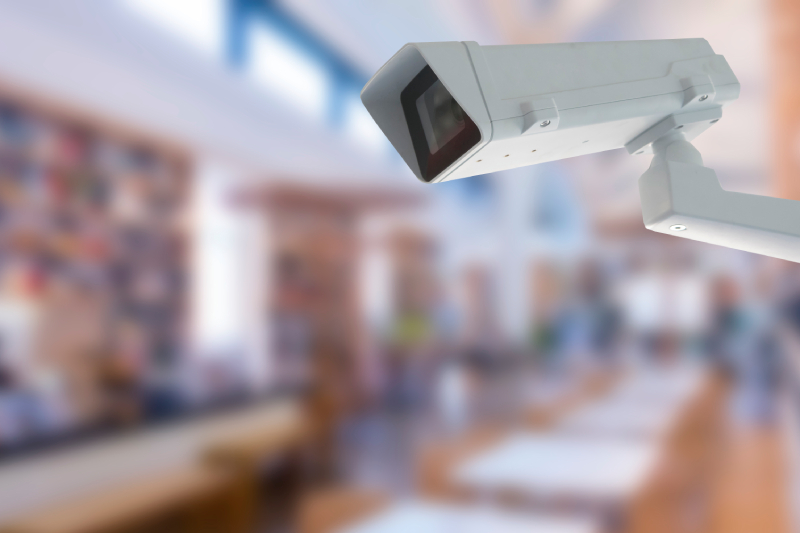
- Watching over the school with cameras to spot and deal with threats.
- Holding drills regularly to be ready for any emergency.
- Teaching about the risks posed by fires, sharp objects, and chemicals.
Such actions lay the groundwork for a broader plan to protect the school community from various dangers.
Promoting Emotional Safety in Schools
Ensuring students feel emotionally secure is crucial for their academic and social success. Schools becoming safe havens allow free expression without worrying about being made fun of or judged. This security plays a critical role in students’ focus and socializing, leading to stronger peer and teacher relationships. Encouraging peer support programs can help build a culture of trust and collaboration among students. Celebrating student achievements, big or small, fosters a sense of belonging and boosts emotional well-being.
Key steps include
- Enforcing anti-bullying rules will curb negative actions and foster a culture of kindness.
- Providing access to counseling services for support through tough times.
By actively working against bullying and creating an atmosphere of respect, schools can be places where every student feels respected and part of a caring community.
Bullying Prevention Ensuring Respect in Schools
Bullying is a significant issue, impacting student safety and well-being. Addressing it requires
- Teaching empathy and celebrating differences.
- Clear rules against bullying, with ways for anonymous reporting.
- Programs that encourage diversity and emotional learning.
With these approaches, schools can become respectful environments where every student is valued.

Emergency Preparedness Training for School Safety
Being ready for emergencies is crucial. This readiness is not just about having plans but about everyone knowing what to do. This preparation helps reduce chaos and fear during crises. Actions include
- Drills for various emergencies, like fires and lockdowns.
- Teaching students basic safety and the dangers of risky behaviors.
Such preparation is key in creating a culture where safety is second nature, ensuring swift and effective responses during emergencies.
Enhancing Communication for School Safety
Clear communication is foundational to school safety. It ensures everyone, from students to parents, is informed and involved in creating a secure environment. Effective communication means
- Clearly outlining safety rules to all involved.
- Making it easy for students to report concerns.
Encouraging openness ensures schools can act swiftly to prevent threats, keeping the learning environment secure.
Read More : Boosting Self-Care for Busy New Teachers
Legal Responsibilities in School Safety Rules
Schools have a crucial role in protecting everyone within their walls. This duty goes beyond just following laws. It is about proactively ensuring safety. Failing in this area can have severe consequences, from legal issues to damaging the school’s reputation.
Emphasizing students’ emotional and physical security is part of fulfilling this responsibility. This approach helps avoid legal troubles and maintains a positive environment for learning and growth.
Technology Role in Enhancing School Safety
In today’s world, technology is key to improving school safety. From emergency alerts to monitoring systems, tech solutions are essential. They work alongside traditional methods to create a comprehensive safety net for the school community. Mobile apps allow instant communication between staff, students, and parents during emergencies.
AI-powered analytics can help identify patterns of potential risks, enabling proactive measures.
Strengthening the Future of School Safety
The focus on robust safety protocols continues to grow, with teachers and educators leading the charge by integrating technological advancements and fostering open dialogue to create a secure environment. This effort goes beyond simply implementing rules; it is about cultivating a space where students can thrive without fear.
By regularly gathering feedback from students and parents, schools can adapt and refine safety policies to meet evolving needs. Additionally, building strong partnerships with local law enforcement and emergency services enhances preparedness, ensuring that schools remain safe, supportive, and nurturing environments for learning.