


In the quest for top-notch education, shifting from old-style tests to more modern assessment methods is picking up speed. It is key for teachers, school leaders, and policymakers to see the flaws and the urgent need to go beyond old exams. Old tests often miss the complete picture of what a student can do, focusing more on book learning than on critical thought or actual life use of what is learned. This move to modern, student-focused assessments promises a more full and accurate picture of a student’s skills. Recognizing these changes will improve teaching and learning and prepare students for today’s challenges.
Exploring the Limitations of Traditional Testing
Digging into the flaws of old testing methods shows why we need new ways to assess students’ knowledge. Old tests, with their focus on set exams and written tests, often miss the wide range of students’ skills.
Let us look into the specific flaws of old testing ways
- Puts too much focus on memory and working under stress.
- This leads to a high-stress setting, causing worry about how well they do.
- Ignores the wide range of student learning styles and potentials.
- Limits assessments to a narrow set of standards.
These points show the urgent need for educational assessment ways that better reflect the wide range of student skills and learning styles.
Why Innovation in Assessment is Crucial
In the changing world of education, the move to modern assessment methods is not just a trend but a must. Old tests, with their focus on memory and doing well under stress, often miss the full range of a student’s skills.
The pluses of moving to modern assessment ways include
- It backs critical thought, creativity, teamwork, and real-life problem-solving.
- Makes education more full by catering to a wide range of learning styles.
These benefits show the changing power of modern assessment ways in making a more engaging and full educational setting.
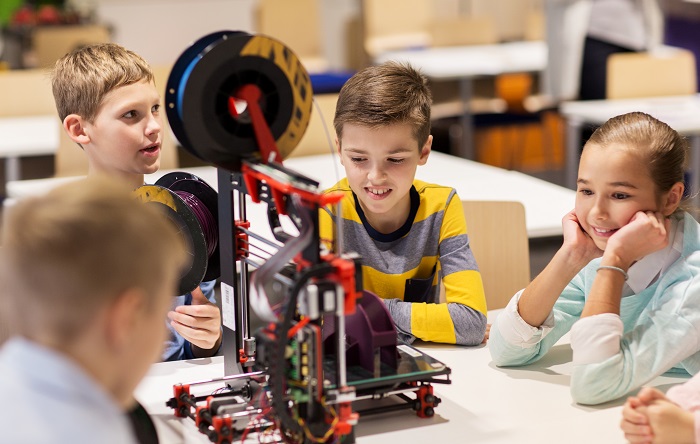
Project-Based Learning: A Practical Approach to Assessment
Project Based Learning (PBL) is a forward-looking way to assess what students know, moving from old theory assessments to engaging students in real-world uses. This stresses the importance of using knowledge in practical settings, fostering a deeper grasp of subjects through hands-on projects. By tackling complex questions or problems, students use critical thought, problem-solving, and teamwork skills across different areas. The assessment in PBL is twofold, focusing on the process and the final product, giving a full view of a student’s skills. This way backs deeper learning and equips students with key skills highly valued in today’s workforce.
Portfolio Assessments Documenting Learning Progress
Portfolio assessments mark a dynamic shift from old testing ways, offering a more subtle and full view of a student’s learning journey. This modern way lets students gather their work over time, giving teachers, students, and stakeholders a long-term view of learning progress. Unlike old tests that often capture a snapshot of a student’s knowledge at a particular moment, portfolio assessments document continuous growth, strengths, and areas for improvement across different subjects and skills.
One of the key pluses of portfolio assessments is their ability to back self-assessment and thought. Students actively assess their work, fostering a deeper understanding of their learning process and personal progress. This thoughtful practice enhances learning outcomes and empowers students to take charge of their educational journey. Moreover, portfolio assessments back the development of critical thought and problem-solving skills, as students must pick and organize work that best shows their learning.
Peer and Self Assessment Enhancing Reflective Learning
Peer and self-assessment methods are transformative tools in the educational world, offering many benefits beyond old test models. These modern ways help students get deeper into the material and make a setting where thoughtful learning and critical thought grow. By getting students involved in the assessment process, teachers can grow a sense of ownership and personal progress among learners, encouraging them to assess their own work and that of their peers against set standards.
The core plus of peer assessment lies in its ability to back teamwork learning. When students assess each other’s work, they gain insights from their peer’s views, enhancing their understanding and appreciation of diverse viewpoints. This process strengthens their analytical skills and builds communication competencies, as giving constructive feedback is a key part of the exercise. Moreover, peer assessment introduces students to a broader range of ideas and problem-solving ways, enriching their learning experience.
Digital Assessments Advancing Feedback with Technology
Modern tools use technology to give real-time feedback, adapt to individual learner needs, and include multimedia elements, creating a more dynamic and engaging learning setting. As education shifts towards digital solutions, having strong online visibility is key for educational platforms, institutions, and businesses. Are You On Page 1 helps organizations enhance their digital presence, ensuring they reach the right audience and maximize their impact.
Digital assessments change student assessments through several key pluses
- Give immediate feedback to students.
- Highly adaptable to individual learner needs.
- Include multimedia elements for a richer learning experience.
The use of technology in assessments improves the learning experience and opens new ways for personalized education.
Read More : Elevating Learning Technological Innovations in Student Engagement
Collaborative Assessments Building Teamwork and Communication Skills
Teamwork assessments offer many pluses in educational settings, notably in developing key soft skills. By getting students involved in group projects and tasks, teachers can foster a range of skills such as leadership, negotiation, and empathy. These skills are increasingly seen as just as important as academic knowledge, preparing students for the complexities of the professional world. Moreover, teamwork work encourages students to talk, share diverse views, and collectively solve problems, enriching their learning experience and promoting a deeper understanding of the subject matter.
As education continues to change, embracing ways to assess a wide range of skills becomes necessary. Teamwork assessments are a powerful tool, offering a full view of a student’s skills and readiness for the future. By putting teamwork and communication alongside traditional academic skills, teachers can better prepare students for the challenges and chances that lie ahead. This move to modern assessment ways underlines the importance of changing educational practices to meet the needs of the 21st century, making sure students are knowledgeable and skilled at navigating the complexities of the modern world.